
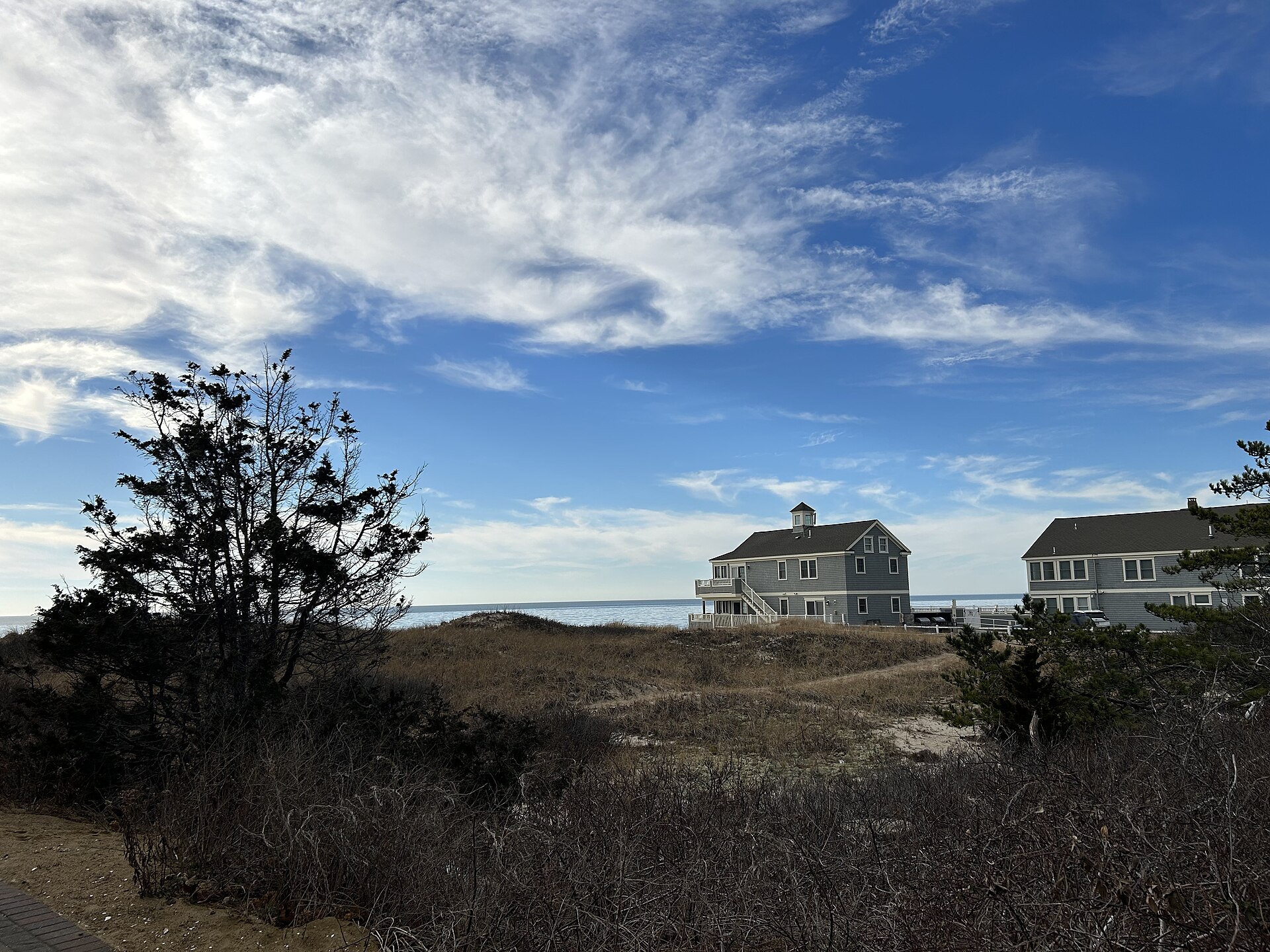
There is a point every fall when the Cape house shifts from summer mode to something quieter. The beach towels come in, the outdoor shower goes still and you start thinking about what the house needs to get through January without you. Winterizing a Cape Cod home is less about one big job and more about a list of small ones done in the right order, ideally before the first hard freeze and well before a nor’easter rolls in.
We have put a lot of care into our Cape Cod house, so protecting it over the off-season matters to me. This is the checklist I would follow, written as guidance rather than a plumber’s manual. For anything involving your water system or heat, bring in a licensed local pro.
When to Start Winterizing a Cape Cod Home
My rule is to have everything booked by mid-October and finished by early November. The Atlantic hurricane season officially runs through November 30, and coastal storms keep coming all winter, so the earlier the better. Local plumbers and caretakers get busy in the fall, which is reason enough to call now rather than the week you plan to leave.
The first decision is whether the house will be fully shut down or kept heated. That choice shapes everything else on this list.
1. Plumbing Comes First
Frozen pipes are the classic second-home disaster, and they are almost always preventable.
- If you are shutting the house down completely: a professional winterization typically means shutting off the water main, draining the pipes and water heater, blowing out remaining water with compressed air and adding antifreeze to toilets and drain traps. Cape plumbers such as E.F. Winslow describe the process in detail. Missed zones are where trouble starts, so this is not the place to improvise.
- If you are keeping the heat on: local agents including The Jorie Fleming Group suggest keeping the thermostat at 50–55°F at minimum. Insulate exposed pipes, especially in crawl spaces and on exterior walls.
- Outdoor showers and spigots: disconnect hoses, shut off and drain exterior lines and leave outdoor valves open once drained.
- Irrigation: have the system blown out before the ground freezes.
2. Heat, Power and a Backup Plan
An empty house still needs a reliable heat source and someone who knows if it fails.
- Schedule your oil or propane delivery and confirm you are on automatic fill.
- Service the generator if you have one, and test the sump pump and its battery backup.
- Install smart temperature and water-leak sensors that send alerts to your phone. For absentee owners, this is the single most useful upgrade I can think of.
- Use a dehumidifier with an automatic shutoff in damp basements.
3. Storm-Proof the Exterior
Salt air, freeze-thaw cycles and wind are hard on a coastal house.
- Clean gutters and downspouts to help prevent ice dams.
- Have someone look over the roof, shingles, trim and flashing.
- Trim weak or overhanging branches.
- Put up storm doors or window inserts and refresh weatherstripping and caulk.
- If you are in a low-lying or flood-prone area, move anything stored in the basement off the floor.

4. Outdoor Furniture and the Garden
I would rather spend one afternoon putting everything away than replace cushions in May.
- Wash and fully dry cushions before storing them indoors. Damp fabric in a closed shed is how mildew starts.
- Store or cover teak and wicker, and bring umbrellas and their bases inside.
- Disconnect propane tanks from grills, and store the tanks outdoors in a ventilated spot rather than in the garage.
- Rinse salt off metal furniture and hardware before covering it.
5. Inside: Linens, Rugs and the Kitchen
This is the part people rush, and it is the part you notice most when you open the house again.
- Wash all bedding and towels, then store them in breathable cotton bags rather than plastic.
- Empty and clean the refrigerator, unplug it if the house is being shut down and prop the door open.
- Clear the pantry of anything mice would love: crackers, cereal, birdseed and pet food.
- Close fireplace flues.
- Give rugs some thought. The handmade Oushak rug we found at Landry & Arcari was the finishing touch in our dining room, and good rugs deserve care. If one needs attention after a sandy summer, Landry & Arcari offers cleaning and repair, and the off-season is the right time for it. I wrote more about styling that room in decorating our Cape Cod dining room for fall.
6. Caretakers, Security and Insurance
A house is only as safe as the person checking on it.
- Hire a caretaker or house-watch service to visit on a set schedule and after every major storm. Leave them a key, alarm codes and a contact list for your plumber, electrician and heating company.
- Call your insurer. Ask how long the house can sit empty under your policy and if you need a caretaker log or a minimum heat setting to stay covered.
- Set up security basics: timers on a few lamps, a monitored alarm and a camera at the main door.
- Forward mail and pause any deliveries.

A Final Walk-Through
Before you lock the door, walk every room with this short list:
- Water off or heat set, confirmed
- Sensors online and sending alerts
- Windows latched and flues closed
- Trash out and the fridge empty
- Caretaker scheduled and insurer informed
Winterizing a Cape Cod home properly means you get to come back to a house that is ready for you. And if you plan to slip back for a weekend in the quiet months, I have ideas in my guide to Cape Cod in winter and in why October is the best month on the Cape. When spring comes, freshen things up with a few of my favorite home scents.
Shop the Edit
- Ring Flood & Freeze Sensor, Best Buy
- Frigidaire 50-Pint Utility Dehumidifier, Best Buy
- Ring Battery Doorbell Plus, Best Buy
Leave a Reply